Comparison Between Inverted Vertical and Horizontal Deep Hole Drilling Machines
Deep-hole drilling is widely used in hydraulic components, molds, injection systems, shaft parts, tooling, and precision machinery. According to structural layout, deep-hole drilling machines are mainly divided into horizontal type and inverted vertical type.
The machine structure significantly affects machining range, chip evacuation, stability, and accuracy.

1. Diameter Range Comparison: Horizontal Excels in Small Holes
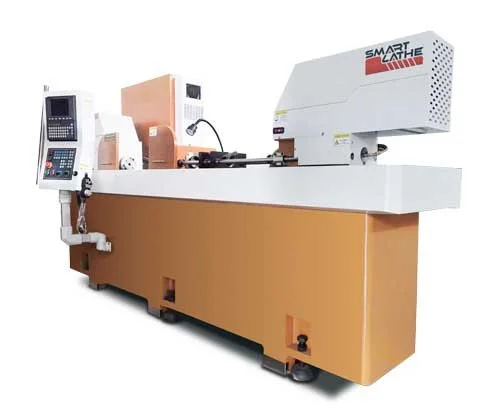
Horizontal DH-500 — Superior for Small-Diameter Deep Holes
· Drilling range: Ø2–25 mm
· Excellent for ultra-small holes, especially Ø2–Ø6
· Horizontal structure offers better guide support and manageable coolant pressure
· Ideal for: Oil passages, Nozzle holes, Injection components, Mold cooling channels.
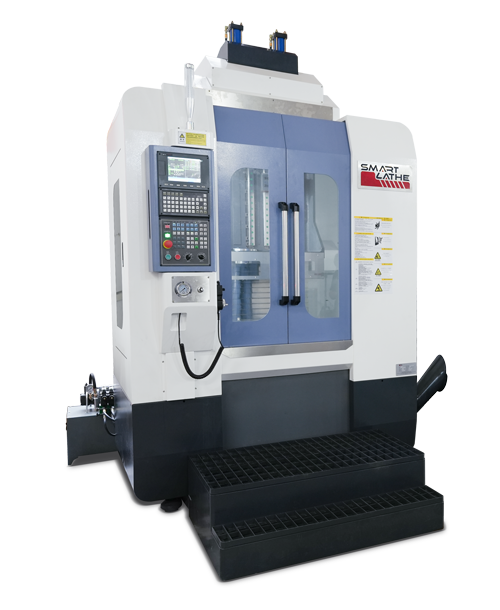
Inverted Vertical DH-400 — Optimized for Medium–Large Diameters
· Drilling range: Ø5–45 mm
· Ideal for deeper, larger bore machining
· Vertical alignment enhances hole straightness, concentricity, and surface quality
· Ideal for: Sleeves, Valve blocks, Structural components, Precision fixtures.
2. Structural Differences
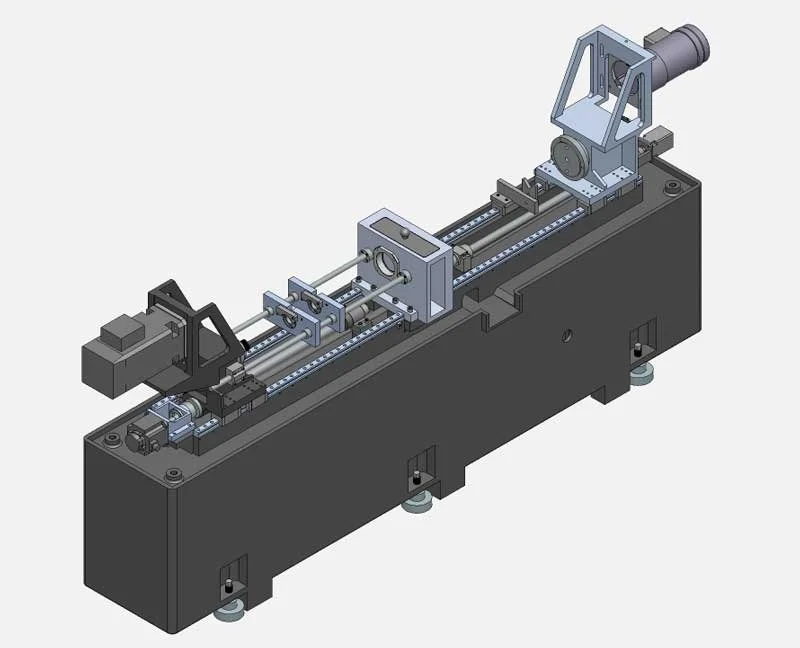
Horizontal Deep Hole Drilling Machines
· Workpiece is clamped horizontally
· Strong support for small and long holes
· Stable chip evacuation for thin, long workpieces
· Longer machine footprint but lower overall height
· Easy to maintain and suitable for small-hole mass production
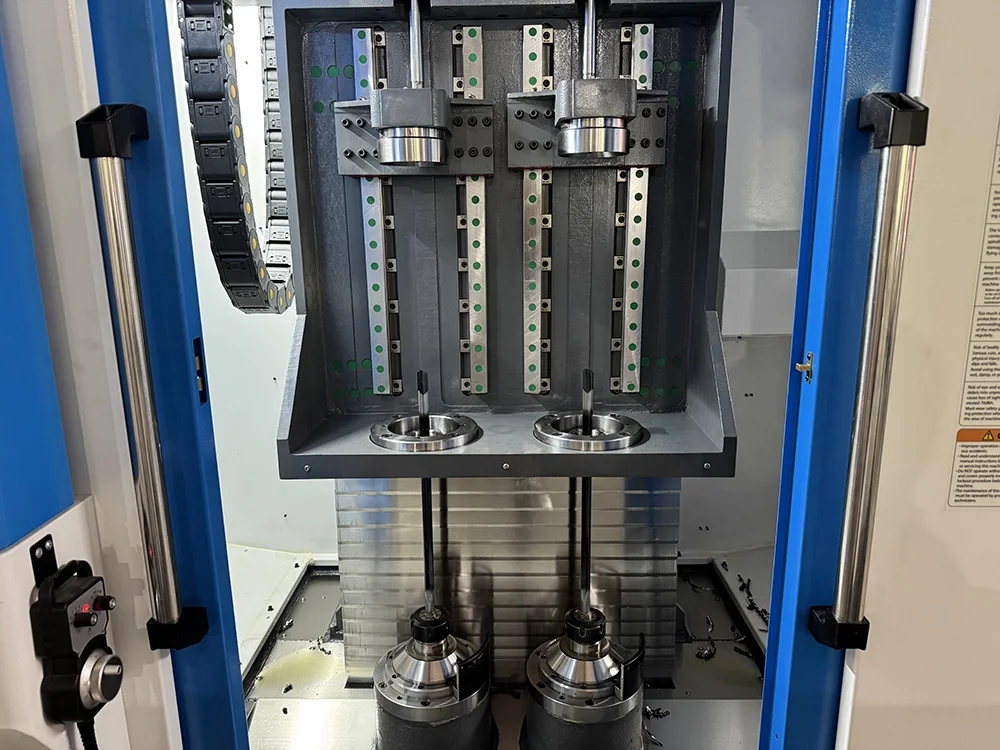
Inverted Vertical Deep Hole Drilling Machines
· Workpiece is clamped vertically
· Gravity reduces deflection and contributes to straighter holes
· Chips fall naturally, improving chip evacuation for larger diameters
· More compact footprint
· Excellent stability and accuracy for large, deep bores
3. Accuracy Comparison
Advantages of Inverted Vertical DH-400
· Vertical structure helps self-correction under gravity
· Higher concentricity and straighter hole axes
· More uniform surface finish
· Particularly strong performance for holes Ø10 mm and above
Advantages of Horizontal DH-500
· Better guidance for small tool diameters
· Lower chip pressure reduces risk of tool clogging
· Superior consistency and stability for holes Ø2–Ø6
4. Recommended Applications
Horizontal DH-500
· Nozzles
· Hydraulic valve channels
· Medical micro-holes
· Mold cooling lines
· Small deep-hole mass production parts
Inverted Vertical DH-400
· Jigs and fixtures
· Hydraulic sleeves
· Large valve bores
· Precision mechanical parts
· Deep-hole machining of hard materials
5. Summary
Horizontal DH-500
— The small-diameter deep hole specialist (Ø2–25 mm)
Inverted Vertical DH-400
— The high-precision medium–large diameter specialist (Ø5–45 mm)